Språk og samspill – fra 14 måneder // Language and interaction – from 14 months
Did you know?
- Children use movements and sounds to tell you something. The sounds children make may mean something special for them.
- Children understand more than they can say and need help expressing themselves with words. You can help by describing what the child is doing, what the child is trying to say or what the child is showing interest in when you are together.
- It is completely normal for young children to mix up sounds and say words incorrectly. This is a natural part of language development. Contact a health centre or your child’s kindergarten if you have any questions or if you are concerned about your child’s language.
Language of the heart
For many people, the language of the heart is the language that people can use to explain their feelings most easily, and the language they dream in. The language of the heart is often also the language people feel most comfortable with.
Use the language that is most natural to you when talking to your baby.
Talk to your child
Talk about what you see or do together, or about what your child shows interest in. Your child learns language from you.
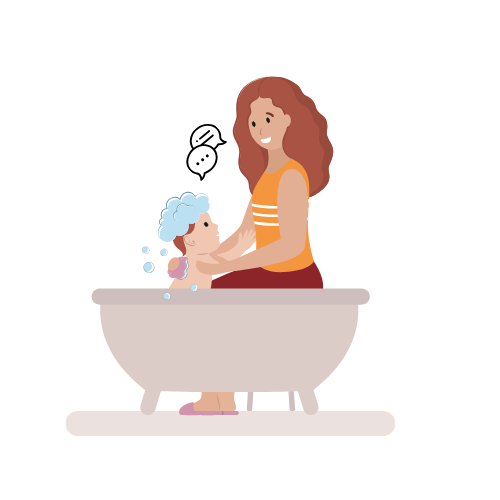
Regular routines, such as eating, bathing, dressing your child or brushing their teeth, provide opportunities to talk and learn together. Use the time to talk to your child about what is happening or about other things. It is a good way to spend time together, and your child will learn new words.
Help your child understand their feelings. Say what you think the child is feeling, and show that you understand. For example, you might say that you see the child is happy, sad, frustrated, or feeling something else.
Also talk about what you have done together or what you plan to do later.
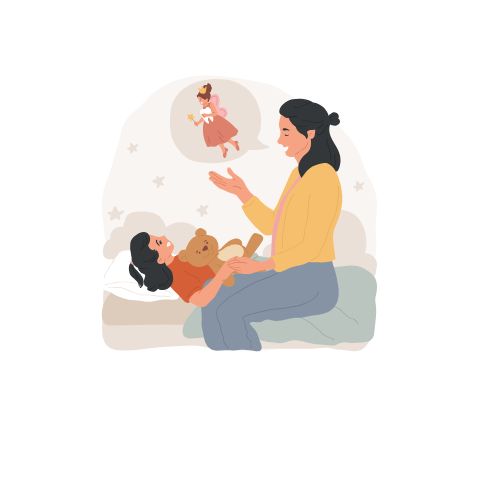
Tell fairy tales and stories for children.
Sing to your child
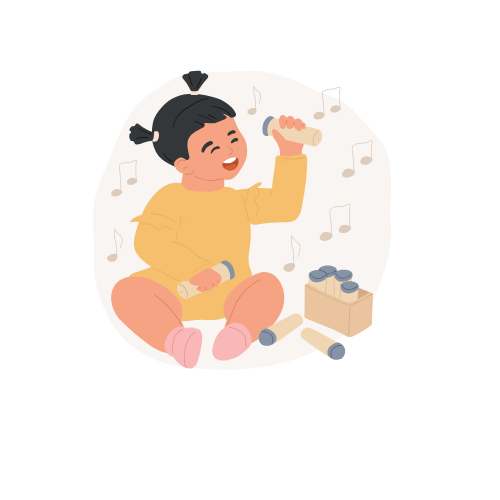
Most children love music. Sing to your child. Feel free to sing songs with movements.
Take your child outside
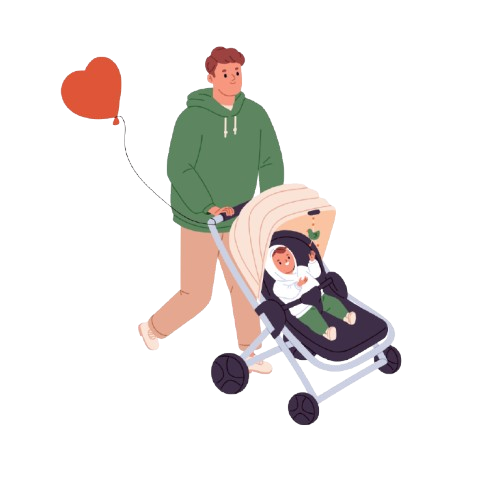
Be outside with your child. Talk to your child about what you see and experience while you are outside. The walk doesn’t have to be long.
Play together
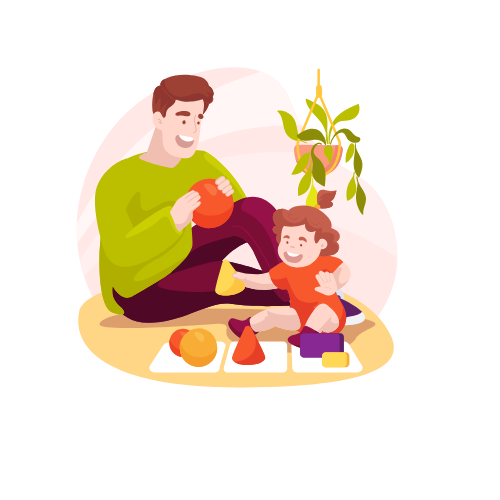
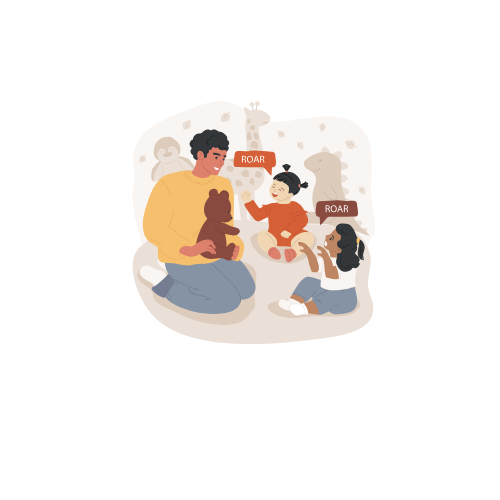
Play with your child. Feel free to play with toys your child is interested in. Talk about the toys and what you are doing.
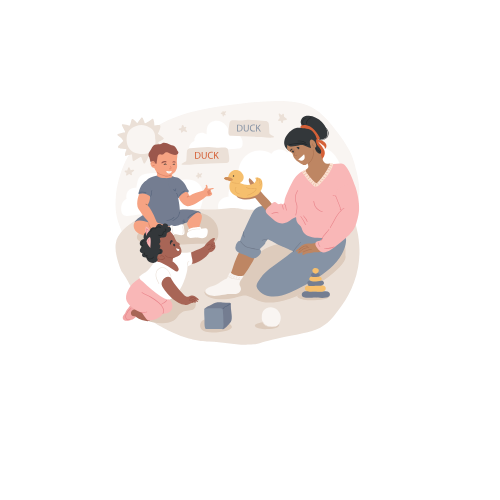
The possibilities in play are endless! For example, pretend that the teddy bear hums and talks to you, or drinks from a cup. Or pretend that the car drives, or can fly.
Read together
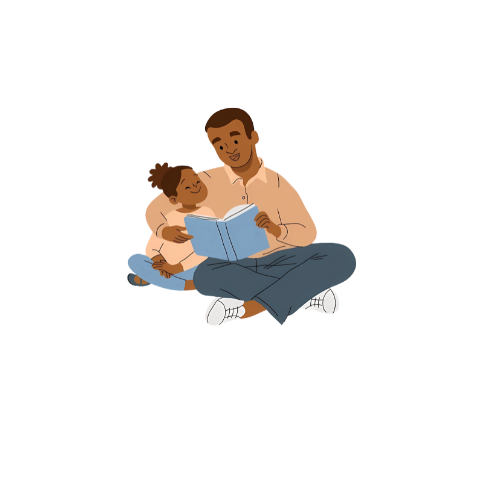
Look at books with your child.
Talk to your child about what is happening in the book or about what the child is pointing at. Enjoy your time together.
Choose a regular time to read together, for example before bedtime or after a meal.